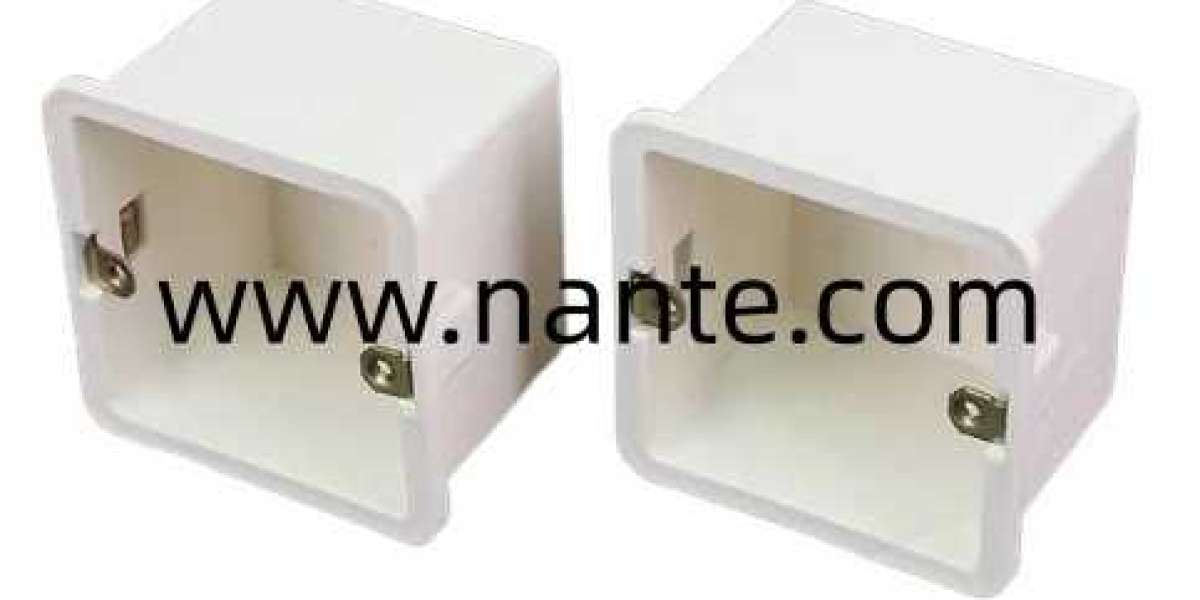

Industrial equipment often needs electrical connections that remain accessible while fitting naturally into the surrounding structure. An Industrial Concealed Appliance Plug provides a recessed connection approach that can keep the interface integrated with machinery, cabinets, and equipment housings. Nante offers industrial connection solutions designed around practical installation, environmental protection, equipment integration, and the changing needs of professional electrical applications.
A concealed connection can change the appearance and organization of an equipment installation. Rather than leaving a socket projecting prominently from the exterior, the recessed design allows the electrical interface to sit closer to the surrounding surface. This can create a cleaner equipment profile while helping make more efficient use of available installation space.
Space management is particularly relevant for industrial machinery. Control cabinets, production equipment, electrical enclosures, and service units may contain numerous components within a limited area. Integrating the connection point into the structure can reduce unnecessary protrusions and allow the electrical interface to become part of the overall equipment design.
Protection is another important consideration. Industrial environments may expose electrical equipment to dust, moisture, accidental contact, and mechanical activity. A suitably designed concealed housing can provide an additional physical barrier around the connection area. The manufacturer's product information describes concealed mounting and enclosure construction intended to help protect the plug in demanding industrial and commercial environments.
The recessed format can also support equipment positioning. Machinery may be installed close to walls, cabinets, structural frames, or other equipment, leaving limited room for outward-facing components. A concealed connection can help maintain a more compact relationship between the machine and its surroundings without eliminating access to the electrical interface.
Cable routing deserves similar attention. When a connection is positioned within the equipment structure, installers can plan the cable path around the machine's overall architecture. This may help reduce unnecessary cable exposure and create a more organized relationship between the connection point and the equipment being powered.
Maintenance planning remains important even when a connection is concealed. Qualified technicians need to be able to identify, inspect, and service the electrical interface when necessary. A properly designed installation should therefore balance integration with practical access, ensuring that the connection remains serviceable without compromising the intended equipment layout.
Material selection also contributes to the usefulness of this design. Industrial connection components need suitable electrical insulation and mechanical protection for their intended surroundings. The appropriate material and enclosure construction should be selected according to the operating environment, installation method, electrical requirements, and relevant standards.
Different equipment applications can call for different connection arrangements. A control cabinet may prioritize a compact interface, while production machinery may require protection from routine industrial activity. Equipment used in outdoor or semi-outdoor environments may require additional attention to environmental exposure. Selecting the connection according to the actual application helps create a more appropriate electrical installation.
A concealed connection can also contribute to visual consistency. Industrial equipment is often designed around clearly defined panels, housings, and access areas. Keeping the electrical interface aligned with this structure can help maintain a coordinated appearance while preserving practical functionality.
Another consideration is the relationship between the connection and nearby components. Switches, cable glands, control devices, ventilation openings, and service panels may all compete for space. Planning the electrical interface together with these elements can help avoid installation conflicts and support a more coherent equipment layout.
Safety should remain central to every electrical project. Compatibility, grounding, electrical characteristics, enclosure protection, mounting requirements, and applicable regulations should be considered before installation. Professional installation and appropriate testing are essential where required.
For equipment designers and electrical installers, the value of a concealed connection lies in how naturally it fits into the larger system. Instead of treating the plug as an external addition, the installation can incorporate it into the equipment's structure from the beginning.
When a project calls for electrical access that blends into the equipment rather than competing with it, a recessed approach is worth considering. Visit https://www.nante.com/product/ to browse the available industrial connection solutions and gather ideas for your next equipment design. Sometimes, the right electrical interface is the one that quietly becomes part of the machine itself.