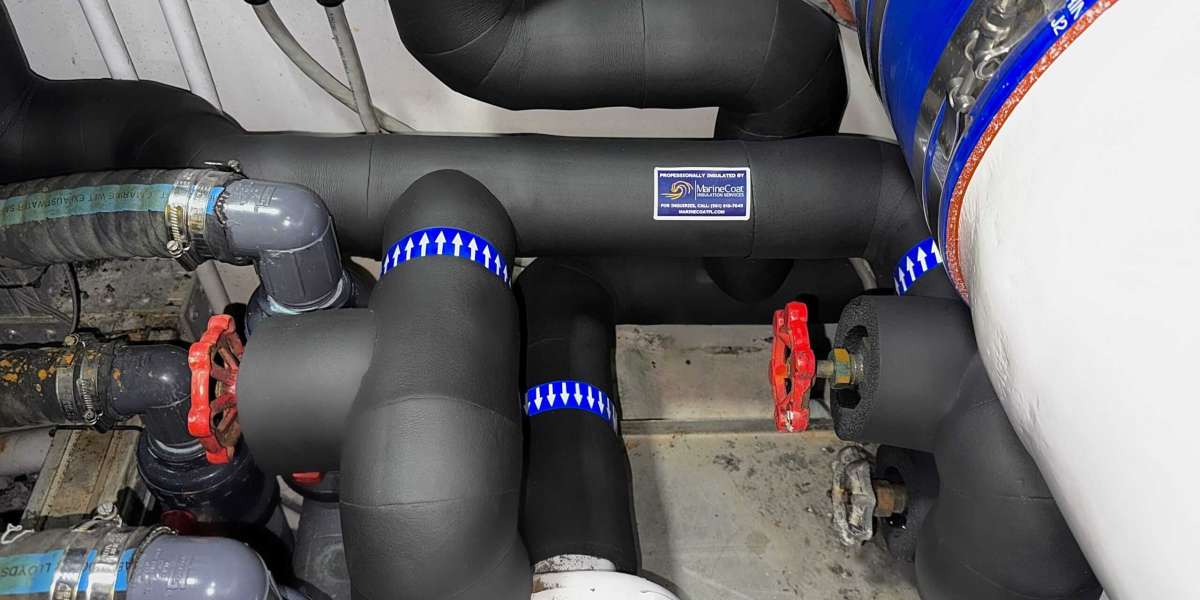

Marine soundproofing has become an intricate discipline within contemporary vessel engineering, especially where propulsion machinery generates persistent acoustic turbulence. Engine compartments require carefully orchestrated treatments because metallic hull structures amplify vibrations and transmit reverberations across living and operational zones. Effective Marine Noise Insulation strategies combine resilient materials, absorptive assemblies, and structural isolation techniques to mitigate unwanted sonic propagation. Ship designers increasingly evaluate acoustic behavior during early planning phases rather than applying remedies after construction. This approach creates quieter maritime environments, enhances crew comfort, and protects sensitive equipment from excessive vibrational interference while maintaining operational efficiency.
Acoustic Challenges Within Maritime Engine Compartments
Marine propulsion chambers present complex acoustic landscapes because diesel generators, turbines, pumps, and exhaust systems create overlapping frequency patterns. These mechanical emissions travel through air pathways and solid structures, requiring advanced Marine soundproofing solutions that address multiple transmission routes simultaneously.
Traditional barriers often fail because they focus only on airborne noise while neglecting structural resonance. Modern engineering applies layered concepts involving damping compounds, floating floors, suspended ceilings, and vibration attenuating mounts. Such configurations establish acoustic separation between machinery spaces and occupied sections.
Understanding Material Selection for Noise Suppression
The selection of materials determines the effectiveness of any Marine Noise Insulation project. High-density barriers can obstruct sound migration, while porous absorbers transform acoustic energy into minimal thermal output. Composite panels, mineral-based fibers, elastomeric membranes, and specialized foams are frequently integrated into marine assemblies.
Engine room treatments must also withstand humidity, temperature fluctuations, salt exposure, and mechanical stress. Therefore, naval architects prioritize durable materials with long operational lifespans. Advanced Marine soundproofing designs frequently combine multiple layers because each component contributes a specific acoustic function.
Structural Isolation and Vibration Management
Vibration control represents a crucial element of engine room acoustic refinement. Rotating machinery produces oscillations that travel through decks, bulkheads, and support frames. Isolation mounts, flexible couplings, and resilient connectors interrupt these pathways before they become disruptive noise sources.
A comprehensive Marine Noise Insulation arrangement considers both frequency characteristics and structural dynamics. Engineers conduct acoustic mapping assessments to identify dominant transmission channels. This analytical process allows specialists to position treatments precisely instead of relying on generalized installations.
Advanced Techniques Applied in Modern Vessels
Contemporary vessels utilize sophisticated Marine soundproofing methodologies that merge engineering precision with material innovation. Floating room concepts separate interior surfaces from vibrating structures, reducing mechanical energy transfer. Acoustic enclosures surrounding generators and compressors further restrict emission spread without restricting maintenance accessibility.
Exhaust systems receive specialized attention because gas flow turbulence produces intense tonal disturbances. Insulated piping, expansion joints, and muffler assemblies reduce these emissions while preserving engine performance. Properly designed ventilation pathways also prevent sound leakage through air circulation networks.
Role of Computational Acoustic Analysis
Digital modeling has transformed Marine Noise Insulation planning. Engineers now simulate sound behavior before fabrication, predicting resonance zones and evaluating proposed solutions. Computational analysis reveals hidden weaknesses in compartment layouts and supports more accurate material placement.
These simulations assist shipbuilders in achieving regulatory compliance while maintaining efficient construction schedules. Through virtual testing, specialists can compare different acoustic strategies and select configurations that provide optimal results.
Maintenance Considerations for Long-Term Performance
Even the most advanced Marine soundproofing installation requires periodic inspection. Moisture intrusion, damaged seals, compressed insulation layers, and aging mounts can gradually reduce acoustic performance. Scheduled assessments preserve the original engineering intent and prevent gradual deterioration.
Maintenance teams should examine barriers, fastening systems, and vibration isolators during routine vessel servicing. Replacing compromised components early avoids expensive reconstruction and maintains comfortable working conditions for personnel.
Environmental and Operational Benefits
Improved engine room acoustics contribute to broader maritime sustainability objectives. Reduced noise exposure supports healthier crew environments and limits disturbance in surrounding marine ecosystems. Quieter vessels also demonstrate refined engineering standards and enhanced operational sophistication.
Effective Marine Noise Insulation can improve communication clarity inside vessels because excessive background sound often interferes with alarms, instructions, and monitoring activities. Clearer auditory conditions strengthen workplace safety and reduce fatigue among maritime professionals.
Marine operators increasingly recognize that Marine soundproofing is not merely a comfort feature but a strategic investment. Proper acoustic treatment enhances vessel value, supports regulatory expectations, and creates more efficient onboard environments.
Future Innovations in Marine Acoustic Engineering
Emerging technologies continue to reshape Marine Noise Insulation practices. Smart materials, adaptive acoustic panels, and sensor-driven monitoring systems are introducing new possibilities for dynamic noise management. These innovations allow vessels to respond automatically to changing operational conditions.
Research into lightweight composites may also reduce structural weight while maintaining strong acoustic performance. Future Marine soundproofing approaches will likely emphasize multifunctional materials capable of managing vibration, heat, and sound simultaneously.
Advanced research is also expanding Marine Noise Insulation capabilities through nanostructured materials and intelligent damping surfaces. These developments provide opportunities for vessels to achieve superior acoustic control without increasing excessive structural weight. Engineers are exploring responsive compounds that modify their properties according to vibration intensity, creating more adaptive solutions for demanding maritime applications.
Integrating Acoustic Planning Into Vessel Design
The most effective results occur when acoustic planning begins during initial vessel conception. Collaboration between naval architects, mechanical engineers, and acoustic specialists creates cohesive solutions rather than isolated modifications.
Early integration enables designers to allocate sufficient space for barriers, absorbers, and isolation systems. This proactive methodology reduces installation challenges and produces refined engine compartments with superior acoustic characteristics.
Marine Noise Insulation represents a specialized engineering practice that balances sound reduction, structural integrity, and operational reliability. Through innovative Marine soundproofing methods, vessels can achieve quieter engine spaces, improved crew conditions, and advanced acoustic performance throughout their service life.