
Introduction
Higher education has become more flexible than ever before. Today, students, working professionals, entrepreneurs, homemakers, and individuals with education gaps are looking for convenient ways to complete their graduation or post-graduation without disrupting their careers or personal responsibilities.
But what exactly is a One Sitting Degree? Is it a separate type of degree? Who is eligible? Is it recognized? These are some of the most common questions students ask before planning their academic journey.
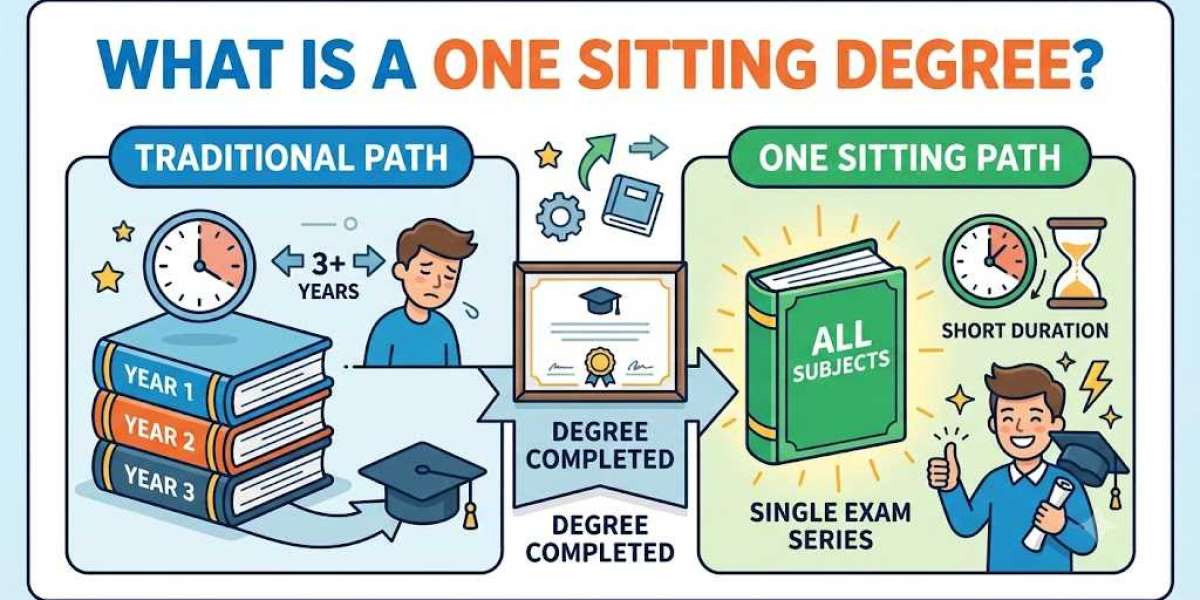
What Is a One Sitting Degree?
A One Sitting Degree is a term commonly used in the education industry to describe flexible pathways that help eligible students complete their academic qualifications through recognized university processes and policies. Depending on a student's academic background, some universities may offer options such as credit transfer, recognition of previous studies, or other approved academic mechanisms. The exact process depends on the university's regulations, eligibility criteria, and applicable education guidelines.
Before enrolling, students should always verify the university's recognition, accreditation, and admission policies.
Why Is the Term "One Sitting Degree" Popular?
Many students are unable to complete their education because of:
- Financial challenges
- Family responsibilities
- Full-time jobs
- Health issues
- Relocation
- Personal circumstances
- Long education gaps
Years later, they often want to continue their education to improve their career opportunities. The phrase "One Sitting Degree" has become popular because it is associated with flexible education options for such learners.
Who Can Benefit?
Flexible degree pathways may be suitable for:
- Working professionals
- Business owners
- Homemakers
- Students with education gaps
- Individuals seeking career growth
- Professionals looking for promotions
- Job seekers who need a graduation qualification
- Adults returning to education
Every applicant must still meet the university's eligibility requirements.
Importance of Completing Graduation
A graduation degree opens the door to many opportunities.
Some of the major benefits include:
Better Career Opportunities
Many companies require a bachelor's degree for entry-level and managerial positions.
Higher Salary Potential
Graduates often qualify for better-paying roles than candidates without a degree.
Eligibility for Higher Education
A recognized bachelor's degree can help students pursue postgraduate studies, subject to the admission requirements of the institution they apply to.
Personal Development
Completing your education builds confidence, improves communication skills, and enhances professional knowledge.
Popular Courses Students Choose
Some commonly selected undergraduate programs include:
- Bachelor of Arts (BA)
- Bachelor of Commerce (B.Com)
- Bachelor of Business Administration (BBA)
- Bachelor of Computer Applications (BCA)
- Bachelor of Science (B.Sc.)
Popular postgraduate options include:
- Master of Arts (MA)
- Master of Commerce (M.Com)
- Master of Business Administration (MBA)
- Master of Computer Applications (MCA)
The availability of programs varies by university.
How to Choose the Right University
Selecting the right university is one of the most important decisions.
Before applying, check:
- University recognition
- Accreditation status
- Admission eligibility
- Course curriculum
- Learning support
- Examination process
- Fee transparency
- Student services
- Alumni feedback
Never rely only on advertisements or verbal promises.
Why University Recognition Matters
Recognition ensures that the university operates under the appropriate regulatory framework.
Before admission, verify:
- UGC recognition
- NAAC accreditation
- Other applicable approvals for specialized programs
Studying through a recognized institution helps protect your educational investment.
Flexible Learning Options
Modern universities offer several learning modes that suit different lifestyles.
These include:
- Online learning
- Distance education
- Open learning
- Blended learning
These options make it easier for students to balance education with work and family responsibilities.
Benefits of Flexible Education
Flexible education offers several advantages.
Learn While Working
Students can continue earning while pursuing higher education.
Study at Your Own Pace
Many programs provide access to digital study materials and online resources.
Save Time and Travel Costs
Online and distance learning reduce the need for frequent campus visits.
Improve Career Prospects
A recognized qualification can strengthen your resume and expand future opportunities.
Common Mistakes Students Should Avoid
Many students make avoidable mistakes during admission.
Avoid:
- Choosing an unrecognized institution
- Believing unrealistic promises of instant degrees
- Not checking eligibility criteria
- Ignoring accreditation details
- Paying fees without proper documentation
- Failing to read the admission guidelines carefully
Research before enrolling.
How an Education Academy Can Help
Choosing the right course and university can be overwhelming. A trusted education academy can make the process easier by providing guidance throughout your academic journey.
A professional academy may assist students with:
- Career counseling
- Course selection guidance
- Information about recognized universities and programs
- Admission support
- Documentation assistance
- Updates on admission procedures
- Guidance on flexible learning options
- Ongoing student support during the admission process
The final admission decision and academic requirements are determined by the university.
Career Opportunities After Graduation
Completing graduation can help students pursue opportunities in various industries, including:
- Banking
- Information Technology
- Education
- Healthcare Administration
- Marketing
- Human Resources
- Retail
- Finance
- Customer Service
- Government recruitment (subject to the eligibility requirements of the recruiting organization)
Career outcomes depend on the course completed, skills, and employer requirements.
Skills to Develop Alongside Your Degree
Academic qualifications are important, but employers also value practical skills.
Consider developing:
- Communication skills
- Computer proficiency
- Problem-solving
- Leadership
- Teamwork
- Digital literacy
- Time management
- English language proficiency
These skills improve employability and career growth.
Questions to Ask Before Admission
Before enrolling, ask:
- Is the university recognized?
- What are the eligibility requirements?
- Which learning mode is available?
- What documents are required?
- How are examinations conducted?
- What is the complete fee structure?
- What student support services are offered?
Getting clear answers helps you make an informed decision.
Final Thoughts
A One Sitting Degree is a phrase that many students encounter while exploring flexible higher education options. Rather than focusing on the label, focus on choosing a recognized university, understanding the admission process, and selecting a program that matches your career goals.
With proper guidance, careful research, and the right educational pathway, you can complete your graduation and move closer to your professional aspirations. Education is an investment in your future, and choosing a trusted institution and reliable guidance can make all the difference.
Frequently Asked Questions (FAQs)
1. What is a One Sitting Degree?
It is a commonly used marketing term, not a separate UGC-recognized degree category. It generally refers to flexible academic pathways offered under a university's policies for eligible students.
2. Who can apply?
Eligibility depends on the university and the program. Working professionals, students with education gaps, and other eligible learners may have flexible study options available.
3. Can I study while working?
Yes. Many recognized universities offer online, distance, or other flexible learning modes designed to help students balance work and education.
4. How do I choose the right university?
Look for UGC recognition, accreditation, transparent admission policies, quality student support, and a program that aligns with your career goals.
5. Can an education academy help with admissions?
Yes. Many academies provide counseling, course selection guidance, and admission assistance. However, admission decisions and academic requirements are set by the university.