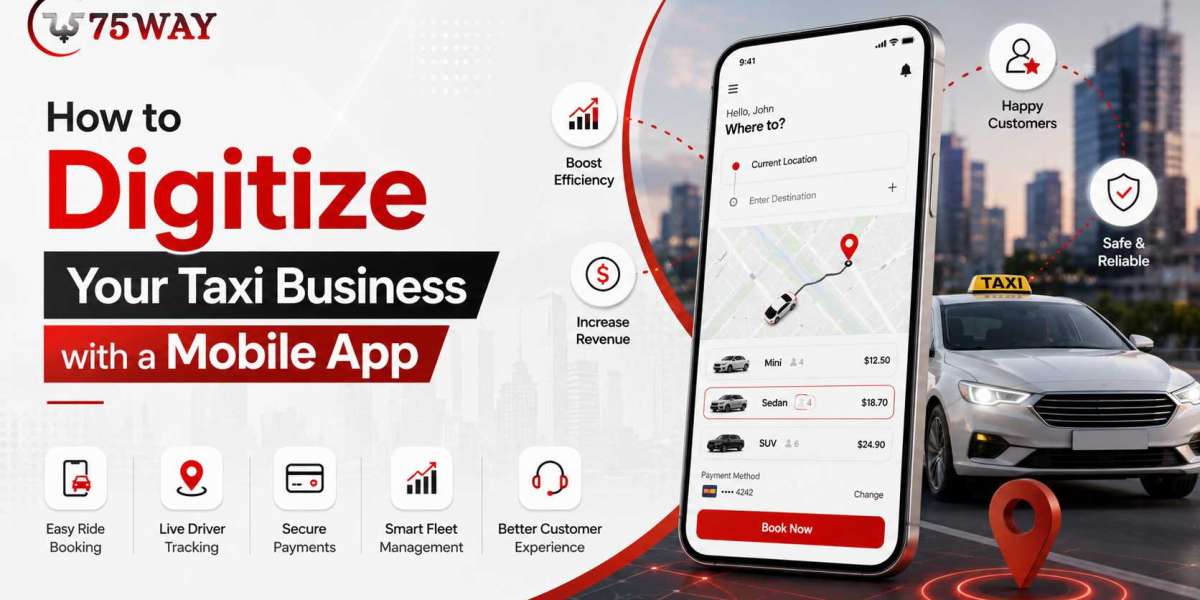

The transportation industry has undergone a remarkable digital transformation, and Taxi App Development has become one of the most effective ways for taxi operators to modernise their services and stay competitive. Today's customers expect instant ride booking, live driver tracking, secure digital payments, and seamless communication through their smartphones. Whether you own a local taxi fleet or manage a growing transportation business, investing in a custom mobile application can streamline operations, enhance customer satisfaction, and unlock new revenue opportunities.
Why Taxi Businesses Need Digital Transformation
Customer expectations continue to evolve.
Passengers today want:
- Instant ride booking
- Accurate fare estimates
- Real-time driver tracking
- Multiple payment options
- Digital receipts
- Faster customer support
- Transparent pricing
Businesses that continue relying solely on manual booking systems often struggle to meet these expectations.
A dedicated taxi application helps bridge this gap while improving operational efficiency and customer loyalty.
What Is Taxi App Development?
Taxi app development is the process of creating digital platforms that connect passengers with drivers through mobile applications.
These applications typically include three interconnected systems:
- Passenger application
- Driver application
- Administrative dashboard
Together, these components simplify booking management, driver allocation, payment processing, and business analytics.
Benefits of Digitising Your Taxi Business
Moving from traditional operations to digital services delivers significant advantages.
Better Customer Convenience
Passengers can request rides within seconds without making phone calls.
They can:
- Choose pickup locations
- Select destinations
- View estimated arrival times
- Track drivers live
- Make cashless payments
The result is a smoother customer journey from booking to destination.
Improved Fleet Management
Business owners gain complete visibility into fleet operations.
Administrative dashboards provide insights into:
- Driver availability
- Active rides
- Vehicle locations
- Revenue performance
- Peak demand periods
This information helps optimise resource allocation and improve operational efficiency.
Increased Revenue Opportunities
A mobile platform enables businesses to serve more customers without significantly increasing administrative overhead.
Additional revenue opportunities include:
- Scheduled bookings
- Corporate accounts
- Promotional campaigns
- Loyalty programmes
- Subscription plans
Digital platforms also encourage repeat customers through personalised experiences.
Essential Features Every Taxi App Should Include
A successful ride-booking platform balances convenience, reliability, and performance.
Important features include:
Passenger Registration
Simple sign-up using:
- Mobile number
- Google account
- Apple ID
Ride Booking
Passengers should be able to:
- Select pickup and destination
- View nearby drivers
- Schedule rides
- Choose vehicle categories
Real-Time GPS Tracking
GPS technology enables passengers to monitor driver locations while allowing businesses to improve dispatch accuracy.
Fare Estimation
Transparent fare calculations build customer trust before confirming a booking.
Multiple Payment Options
Support for:
- Credit cards
- Debit cards
- Digital wallets
- Online banking
- Cash payments
improves customer convenience.
Driver Ratings
Passengers can provide feedback after every ride, helping businesses maintain service quality.
Push Notifications
Real-time alerts keep users informed about:
- Driver arrival
- Trip status
- Promotions
- Payment confirmation
Technologies Behind Modern Ride-Hailing Platforms
Building scalable transportation applications requires robust technology.
Frontend technologies often include:
- Flutter
- React Native
- Swift
- Kotlin
Backend technologies commonly include:
- Node.js
- Python
- Java
Cloud platforms may utilise:
- AWS
- Google Cloud
- Microsoft Azure
Additional technologies include:
- GPS navigation
- Payment gateways
- Mapping APIs
- Cloud databases
- Analytics platforms
How AI Voice Agents Improve Customer Support
Customer service is another area benefiting from intelligent automation.
Instead of relying entirely on human call centres, transportation companies are increasingly adopting AI-powered voice assistants.
For example, Talkoo.ai enables businesses to automate voice conversations for ride confirmations, booking updates, driver arrival notifications, lost-and-found enquiries, fare information, and customer support requests. These AI voice agents provide instant responses around the clock while allowing support teams to focus on more complex customer situations, ultimately improving customer satisfaction and operational efficiency.
Driver Applications Improve Operational Efficiency
Drivers benefit significantly from dedicated mobile applications.
Features often include:
- Ride requests
- Navigation assistance
- Earnings dashboard
- Trip history
- Availability controls
- Customer communication
These tools simplify daily operations while improving driver productivity.
Administrative Dashboards Provide Business Intelligence
Business owners need complete visibility over operations.
Administrative dashboards typically include:
- Ride analytics
- Revenue reports
- Customer insights
- Driver performance
- Fleet management
- Promotional campaign management
These insights support informed business decisions.
Security Should Never Be Overlooked
Transportation platforms handle sensitive user information.
Strong security measures include:
- Secure authentication
- Encrypted payments
- GPS verification
- Fraud detection
- Data encryption
- Driver identity verification
Prioritising security builds trust among both passengers and drivers.
Choosing the Right Development Partner
Selecting the right development company significantly influences project success.
Businesses should evaluate:
- Industry experience
- Technical expertise
- Portfolio
- Communication
- Scalability
- Post-launch support
An experienced Taxi booking App Development Company understands transportation workflows, GPS integrations, payment systems, and the unique challenges associated with ride-hailing platforms.
Why Professional Development Matters
Developing a transportation platform requires more than coding.
A reliable taxi app development solution should combine user-friendly design, secure infrastructure, real-time communication, cloud scalability, and long-term maintainability.
Many businesses partner with experienced firms like 75way Technologies because they provide customised ride-hailing platforms tailored to business requirements, helping operators launch scalable applications that improve customer experiences while streamlining fleet operations.
Future Trends in Taxi App Development
The transportation industry continues to evolve rapidly.
Emerging innovations include:
- AI-powered dispatch systems
- Electric vehicle fleet integration
- Autonomous vehicle readiness
- Predictive demand analytics
- Voice-enabled booking
- Contactless ride experiences
- Sustainability reporting
- Multi-modal transportation platforms
Businesses that adopt these technologies early will be better positioned for long-term growth.
Common Mistakes to Avoid
Many taxi businesses make avoidable mistakes during digital transformation.
These include:
- Ignoring user experience
- Choosing low-cost solutions over quality
- Neglecting scalability
- Weak security implementation
- Limited testing
- Poor driver onboarding
- Lack of customer feedback mechanisms
Planning strategically from the beginning helps avoid costly redevelopment later.
Final Thoughts
Digitising your taxi business with a mobile application is one of the most effective ways to improve operational efficiency, strengthen customer relationships, and remain competitive in today's fast-moving transportation industry. From seamless ride booking and real-time tracking to AI-powered automation and secure payment processing, modern taxi applications deliver significant value for both businesses and passengers.
By partnering with experienced developers, investing in scalable technology, and focusing on customer-centric features, taxi operators can build a future-ready platform capable of supporting long-term business growth while meeting the evolving expectations of modern travellers.
Frequently Asked Questions (FAQs)
1. Why should taxi businesses invest in a mobile app?
A taxi application improves customer convenience, streamlines fleet management, increases booking efficiency, enhances driver productivity, and supports long-term business growth.
2. What features are essential in a taxi booking application?
Core features include ride booking, GPS tracking, fare estimation, digital payments, driver ratings, push notifications, ride history, and an administrative dashboard.
3. How does AI improve taxi applications?
Artificial intelligence helps optimise driver allocation, predict demand, improve route planning, automate customer support, detect fraud, and personalise user experiences.
4. How long does it take to develop a taxi application?
Development timelines generally range from 3 to 9 months, depending on the application's complexity, features, integrations, and testing requirements.
5. How should businesses choose the right taxi app development partner?
Look for companies with transportation industry experience, technical expertise, scalable architecture, strong security practices, post-launch support, and a proven portfolio of successful ride-hailing projects.