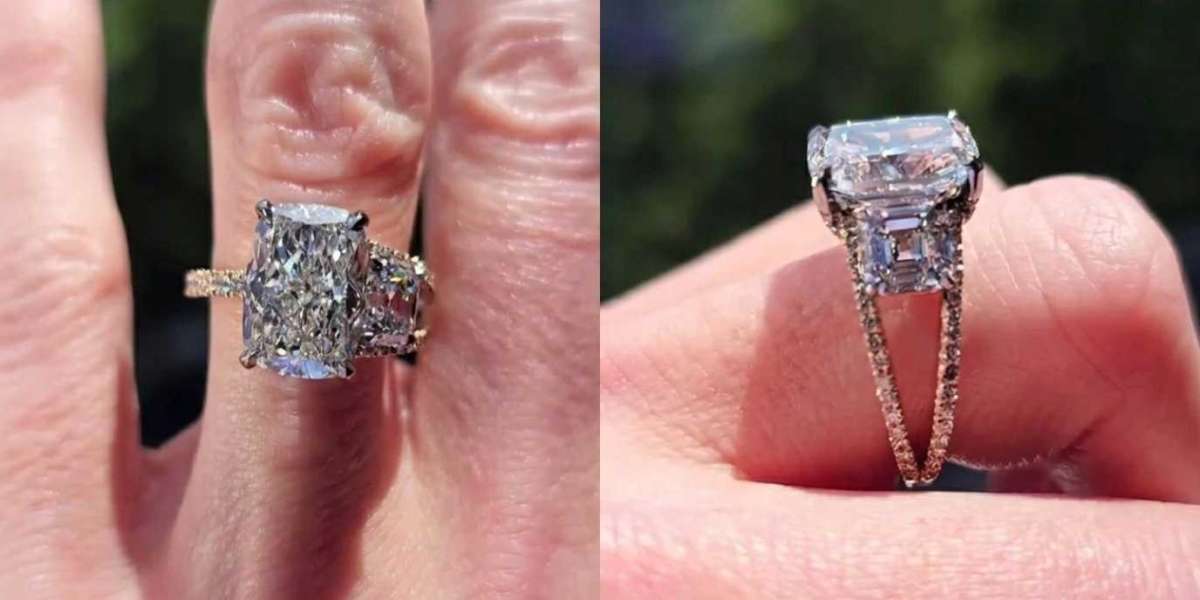

Choosing the right diamond shape is one of the most important decisions when selecting jewelry. Every shape has unique characteristics that influence its appearance, proportions, and overall appeal. A cushion cut lab grown diamond engagement ring has become a popular choice because it combines a soft square outline with carefully designed facets that create a distinctive look. Understanding how cushion diamonds compare with other shapes helps buyers make a more informed decision.
Lab grown diamonds offer the same physical and chemical properties as mined diamonds while being created through advanced technology. Buyers exploring different options often compare shapes based on size appearance, light performance, durability, and personal preference. Collections from brands like Antiquecut showcase how different diamond styles can offer unique characteristics for various tastes.
Understanding Cushion Lab Diamonds
Cushion diamonds are known for their rounded corners and balanced shape. They have a square or rectangular outline with curved edges, giving them a softer appearance compared with sharp-edged diamond shapes. The design has been appreciated for generations because it provides a combination of classic proportions and attractive visual depth.
A cushion cut lab grown diamond engagement ring can feature different facet patterns, including cushion brilliant and cushion modified cuts. These variations affect how light interacts with the diamond. Some cushions display a more traditional appearance, while others are designed with additional facets to create increased visual movement.
When choosing a cushion diamond, buyers usually consider the length-to-width ratio, clarity, color grade, and carat size. These factors help determine how the diamond looks when placed in jewelry. Many modern buyers also see more options cushion cut lab grown diamond engagement ring styles to find designs that combine brilliance, comfort, and timeless appeal.
Cushion Cut vs Round Diamond Shapes
Round diamonds remain one of the most recognized diamond shapes because of their traditional appearance and balanced proportions. They are designed with precise facet arrangements that help maximize light reflection.
In comparison, cushion diamonds provide a larger surface appearance at the same carat weight because of their broader shape. The rounded corners create a softer outline, making them different from the symmetrical circular design of round diamonds.
A lab grown cushion cut diamond ring may appeal to buyers who prefer a shape with more character and a slightly vintage-inspired appearance. Round diamonds often suit those looking for a universally recognized style, while cushions offer a distinct shape with a wider visual presence.
Cushion Cut vs Oval Diamond Shapes
Oval diamonds have an elongated design that can create the appearance of a larger stone. Their extended shape can make fingers appear longer when worn in jewelry.
Cushion diamonds have a more compact structure with curved corners and a balanced silhouette. The choice between oval and cushion depends on the preferred visual style. Oval shapes focus on length and smooth lines, while cushion shapes emphasize a fuller outline.
For buyers comparing lab grown diamond rings cushion cut options with oval styles, the decision often comes down to whether they prefer a rounded square appearance or an elongated design.
Cushion Cut vs Emerald Diamond Shapes
Emerald diamonds are recognized for their step-cut facets and clear, open appearance. Instead of creating a highly faceted look, emerald cuts highlight transparency and internal characteristics.
Cushion diamonds usually have more complex facet patterns, which can create different visual effects. Emerald shapes are often selected by buyers who appreciate clean lines and a structured design, while cushions are chosen for their curved edges and detailed faceting.
Both shapes have different strengths, making the choice dependent on individual preferences and desired appearance.
Cushion Cut vs Princess Diamond Shapes
Princess diamonds feature sharp corners and a square outline. They are often selected for their geometric appearance and defined edges.
Cushion diamonds provide a softer alternative because of their rounded corners. This difference creates two completely different visual impressions. Princess shapes have a sharper profile, while cushions have smoother transitions.
Buyers searching for a balanced shape with a softer outline may prefer cushion diamonds, while those who like precise angles may consider princess diamonds.
Important Factors When Comparing Diamond Shapes
Before selecting a diamond shape, buyers should evaluate several important qualities:
Face-Up Size
The visible surface area of a diamond affects how large it appears when viewed from above. Some shapes naturally appear larger because of their dimensions and proportions.
Facet Design
Facets influence how a diamond interacts with light. Different shapes use different cutting patterns, creating variations in appearance.
Personal Style Preference
Diamond shapes represent individual taste. Some buyers prefer traditional designs, while others look for distinctive outlines.
Jewelry Compatibility
The chosen diamond shape should work well with the overall jewelry design. The proportions of the stone can influence the final appearance of the piece.
Why Buyers Consider Lab Grown Cushion Diamonds
Lab grown diamonds have gained attention among buyers looking for diamond options created with advanced production methods. They provide the same durability and characteristics expected from diamonds while offering additional purchasing flexibility.
A cushion cut lab grown diamond engagement ring allows buyers to explore different sizes and quality levels while maintaining focus on shape and design. The availability of various specifications makes it easier to find a diamond that matches personal requirements.
Buyers can compare different diamond options and check out more lab grown cushion cut diamond ring collections to understand available styles and characteristics.
Choosing the Right Cushion Diamond
Selecting the ideal cushion diamond requires balancing several details. Carat size, proportions, clarity, and color all contribute to the final appearance.
A well-proportioned cushion diamond can provide a balanced shape with attractive depth. Buyers should review diamond certificates and understand grading information before making a decision.
The length-to-width ratio is another important consideration. Some cushions have a more square appearance, while others feature a slightly rectangular profile. Neither option is better; the choice depends on the preferred design.
Cushion Diamonds for Different Jewelry Preferences
Cushion diamonds work well with various jewelry designs because of their adaptable shape. Their rounded corners provide a comfortable appearance while maintaining a recognizable diamond outline.
Some buyers prefer cushion diamonds because they combine characteristics from different shapes. They have the structure of square diamonds while maintaining softer edges similar to rounded designs.
This flexibility makes cushion diamonds a popular choice for individuals who want something different from traditional round styles but still want a familiar diamond appearance.
Comparing Value and Appearance
Diamond value depends on several factors, including quality grades, size, and market preferences. The shape can influence pricing because different cuts require different cutting processes and retain different amounts of rough diamond material.
Cushion diamonds can provide strong visual presence because of their wider surface area. Buyers should compare diamonds individually rather than selecting only based on shape name.
The best choice depends on the combination of appearance, quality, and personal preference.
Conclusion
A cushion cut lab grown diamond engagement ring offers a unique combination of curved edges, balanced proportions, and versatile appeal. When compared with other diamond shapes, cushion diamonds stand out because of their softer outline and distinctive design.
Round, oval, emerald, and princess diamonds each provide different characteristics, making every shape suitable for different preferences. Understanding these differences helps buyers select a diamond that matches their style and expectations.
Whether exploring a lab grown cushion cut diamond ring or comparing lab grown diamond rings cushion cut styles, learning about shape differences makes the buying process easier. A thoughtful comparison of diamond features ensures a confident choice that fits personal taste and long-term preferences.