A business park in Gurugram recently collected five vendor quotes for a rooftop solar installation, ranging from budget to premium. The facility manager admitted the biggest challenge wasn't the price gap — it was knowing which line items actually mattered.
This is the real difficulty most buyers face. Rising electricity costs make solar adoption attractive, but comparing a solar system for home across vendors requires looking past the bottom-line number and into the engineering behind it.
Why Comparing Quotes Line-by-Line Matters More Than Comparing Totals
Two quotes with similar totals can differ significantly in panel grade, inverter brand, cabling quality, and structural mounting specification.
A lower total often means a smaller inverter, thinner cabling gauge, or a basic mounting structure — differences invisible on a summary page but significant over 25 years of operation.
Comparing a Solar System for Home on Load Match, Not Just Price
Before comparing costs, confirm each vendor sized their proposal against your actual consumption pattern, not a generic capacity assumption.
A solar system for home that's correctly matched to load will always be the better long-term value, even if its upfront quote isn't the lowest on the table.
Panel Technology: What to Compare Between Manufacturers
Compare cell type first — monocrystalline generally outperforms polycrystalline in efficiency and heat tolerance, though polycrystalline can suit larger, unshaded roofs at lower cost.
Also compare degradation warranty terms. A panel rated for 80% output at year 25 is a meaningfully different product than one guaranteeing only 80% by year 20.
Inverter Type and Capacity: The Comparison Point Most Buyers Skip
Inverter brand and capacity affect long-term reliability as much as the panels themselves. Compare MPPT tracking efficiency, warranty duration, and whether the inverter supports anti-islanding protection required for grid-tied safety compliance.
String inverters suit simple, unshaded roofs; microinverters or optimizers are worth the added cost only where partial shading is unavoidable.
On-Grid vs Off-Grid vs Hybrid: Compare Based on Site Conditions
Don't compare these configurations on price alone — compare them against grid reliability at your location. Stable grid access favors on-grid systems; frequent outages justify the added battery storage integration in a hybrid setup.
Off-grid remains relevant mainly for remote sites without grid connectivity at all.
Monitoring, App Access, and After-Sales Support
Compare whether real-time generation tracking and remote app-based monitoring are included by default or offered as a paid add-on.
Manufacturers such as Sigma Power Tech solar panel system lines increasingly bundle monitoring dashboards as standard, which is a useful benchmark when evaluating other vendors' proposals.
Where This Comparison Approach Applies Across Sectors
- Commercial office buildings — compare load-matching accuracy against actual occupancy patterns
- Educational campuses — compare scalability for phased rooftop expansion
- Hospitals — compare inverter redundancy and backup reliability
- Shopping malls and retail chains — compare inverter capacity against footfall-driven demand
- Warehouses and logistics parks — compare structural mounting specifications for large roof spans
Each solar system project benefits from comparing vendors against site-specific requirements, not generic checklists.
Cost Factors to Line Up Side-by-Side
Solar panel system cost comparisons should separate:
- Panel and inverter cost per watt
- Mounting structure and cabling specification
- Installation and commissioning charges
- Net metering and grid connection fees
- AMC and solar panel maintenance services costs
Reviewing each solar system for home price component separately, rather than as one bundled figure, reveals where quotes genuinely differ.
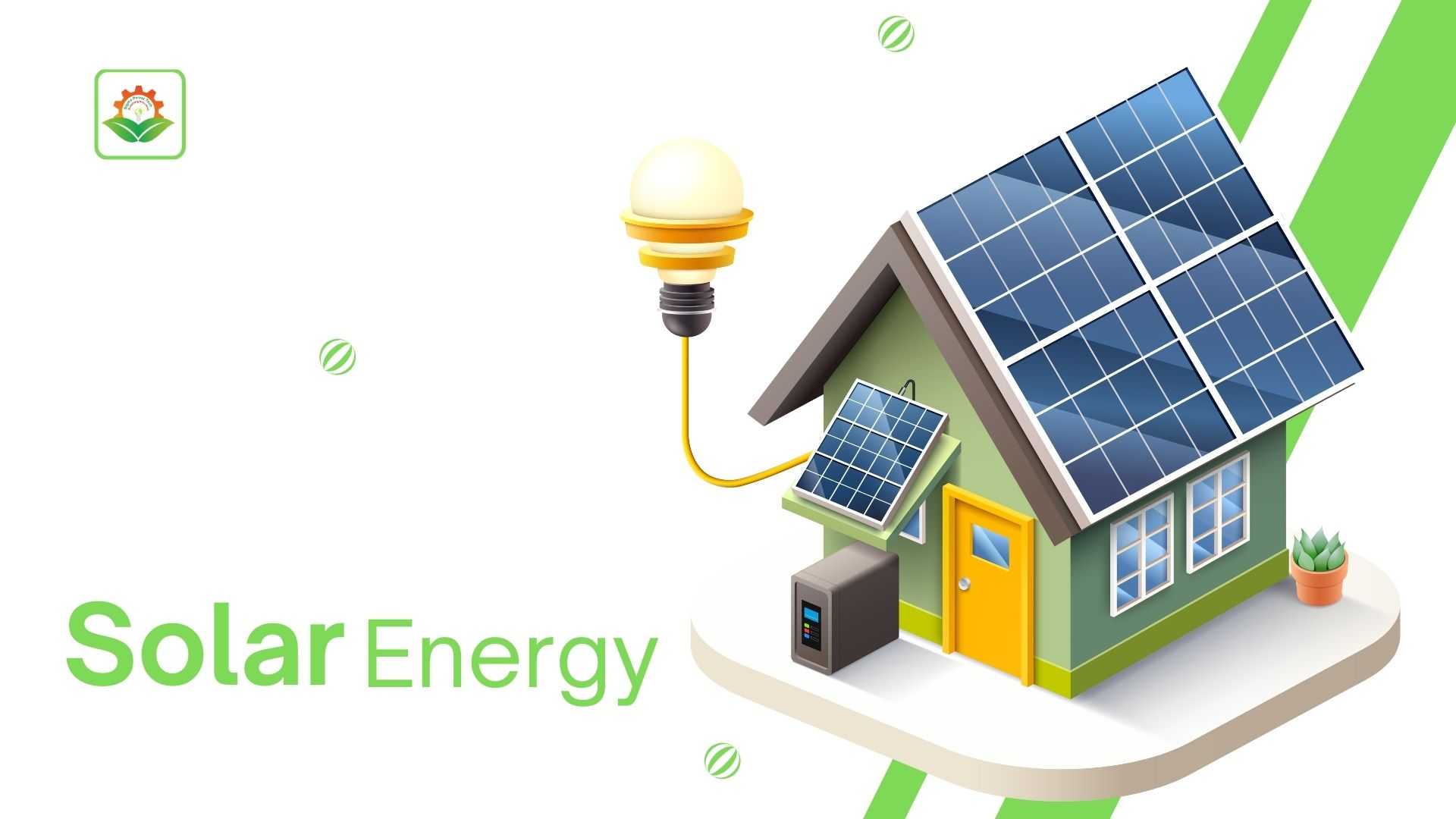
Installer Credentials Worth Comparing
- MNRE and BIS compliance certification
- Documented project portfolio at comparable scale
- Separate warranty terms for panels and inverter
- Subsidy documentation and net metering approval assistance
- Response time and terms for after-sales support
Mistakes to Avoid When Comparing Quotes
- Comparing total price without checking component specifications
- Assuming all best solar panels claims are equally verified
- Ignoring inverter-panel compatibility across different brands
- Skipping a shading and orientation assessment before finalizing
- Overlooking long-term AMC terms in favor of upfront savings
Conclusion
Buying the right solar system for home isn't about finding the lowest quote — it's about comparing the engineering substance behind each proposal: panel grade, inverter reliability, sizing accuracy, and after-sales support. A structured, side-by-side comparison consistently leads to better energy savings and fewer surprises down the line.
Done right, this comparison process is the foundation for reliable, cost-effective solar power and genuine long-term energy independence.