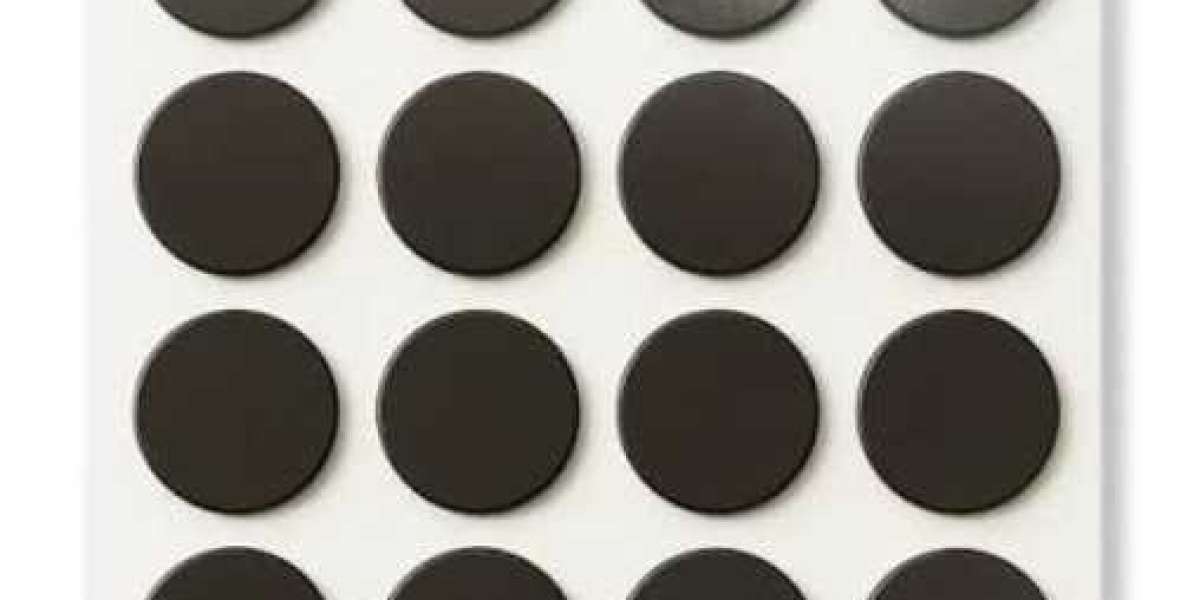

Choosing the right magnet for a compact product or assembly often requires more than simply checking magnetic strength. Small Round Black Magnets can be useful when a project needs a compact shape, clean appearance, and convenient integration into different components. For designers working with limited installation space, Small Round Black Magnets offer a practical format for creating magnetic connections, positioning parts, holding lightweight objects, and supporting everyday product functions. Their simple cylindrical design also makes them easy to consider during early product development.
Compact Design for Space-Limited Applications
Small magnetic components can provide useful functionality without taking up much room. A round design is particularly convenient when magnets need to fit inside drilled holes, recesses, slots, or specially designed holders.
The cylindrical shape can also make placement easier during assembly. Instead of using a complicated magnetic structure, designers can create a dedicated position for the magnet and integrate it into the surrounding material.
This approach is useful in many products where appearance and available space are important. Small magnets can be hidden inside housings, covers, panels, packaging, craft items, or mechanical components.
The black surface also offers a relatively simple appearance. When the magnet is visible, its dark finish can blend naturally with many products and materials.
For manufacturers, compact dimensions can provide additional design flexibility. A small component may be easier to incorporate into a new product without requiring major changes to the overall structure.
Choosing Magnetic Components Carefully
Magnet selection should always begin with the actual application. Size, shape, magnetic performance, working environment, and installation method all deserve consideration.
A magnet that works well in one product may not necessarily be appropriate for another. The required attraction depends on factors such as the distance between magnetic surfaces, the materials involved, contact conditions, and the weight of the object being supported.
The installation method is also important. Some applications require magnets to be inserted into recesses, while others may use adhesive, mechanical retention, or a dedicated housing.
Designers should also consider the space available around the magnet. Even a small change in diameter or thickness can influence how easily a component fits into an existing structure.
For prototypes, testing different dimensions can help identify a suitable configuration before moving into larger-scale production. Practical testing is especially useful when the magnet will be used repeatedly.
A well-planned selection process can reduce redesign work and help ensure that the magnetic component matches the intended application.
Mlmagnets for Flexible Product Development
Magnetic components are used across many product categories because they can provide simple connection and positioning functions. Small round formats can be considered for applications where a discreet magnetic element is preferred.
In product development, engineers may use magnets for closures, positioning mechanisms, removable covers, fixtures, display products, packaging structures, and various household or industrial items.
Their usefulness comes partly from their uncomplicated shape. A round magnet can often be incorporated into a molded, machined, wooden, plastic, or composite component, depending on the product design.
For manufacturers developing multiple products, different magnet dimensions may also support different design requirements. Instead of creating a completely new magnetic concept for every application, designers can evaluate available sizes and select a configuration that fits their structure.
Material selection should also be considered according to the intended environment. Indoor applications may have different requirements from products exposed to moisture, temperature changes, or other external conditions.
By reviewing the complete operating environment, manufacturers can make more informed decisions about the appropriate magnetic solution.
Applications Across Different Products
Compact round magnets can support a wide range of practical product functions. In packaging, they may be incorporated into reusable closures or decorative boxes. In furniture and interior products, magnets can help with removable panels, doors, or positioning features.
Craft and hobby products can also benefit from small magnetic components. Their compact size makes them suitable for creative projects where a noticeable mechanical fastener may affect the appearance.
In manufacturing, magnets may be used as positioning elements or incorporated into simple fixtures. Their ability to provide contact-based attraction can make assembly and alignment more convenient.
Small magnets can also be considered for signs, displays, organizers, covers, and lightweight holding applications. The exact use depends on the required magnetic force and the materials surrounding the component.
Before production, it is helpful to test the magnet together with the actual materials used in the final product. Plastic thickness, coating, air gaps, and surface conditions can all influence practical performance.
This testing stage gives designers a clearer understanding of how the magnet behaves in its finished environment.
Practical Considerations for Long-Term Use
Good magnetic performance depends not only on the magnet itself but also on how it is installed and used. A secure installation can reduce movement and help maintain consistent positioning.
Manufacturers should consider whether the magnet will experience repeated impacts, friction, vibration, or changes in temperature. These factors may influence the design of the surrounding holder or enclosure.
If adhesive is used, compatibility between the adhesive, magnet surface, and surrounding material should be checked before production. Mechanical retention may be preferable in applications where repeated movement occurs.
Storage and handling should also be considered during manufacturing. Magnets should be protected from unnecessary impact and kept organized during assembly.
For product developers, clear technical requirements can make communication with a magnet manufacturer much easier. Providing the desired dimensions, application, quantity, installation method, and operating environment gives suppliers useful information for recommending suitable options.
Ultimately, small round magnets are valuable because they combine a compact format with practical magnetic functionality. With careful consideration of dimensions, installation, materials, and working conditions, they can become a useful part of many modern product designs. Manufacturers and designers looking for additional magnetic solutions can explore the available options at https://www.mlmagnet.com/ .