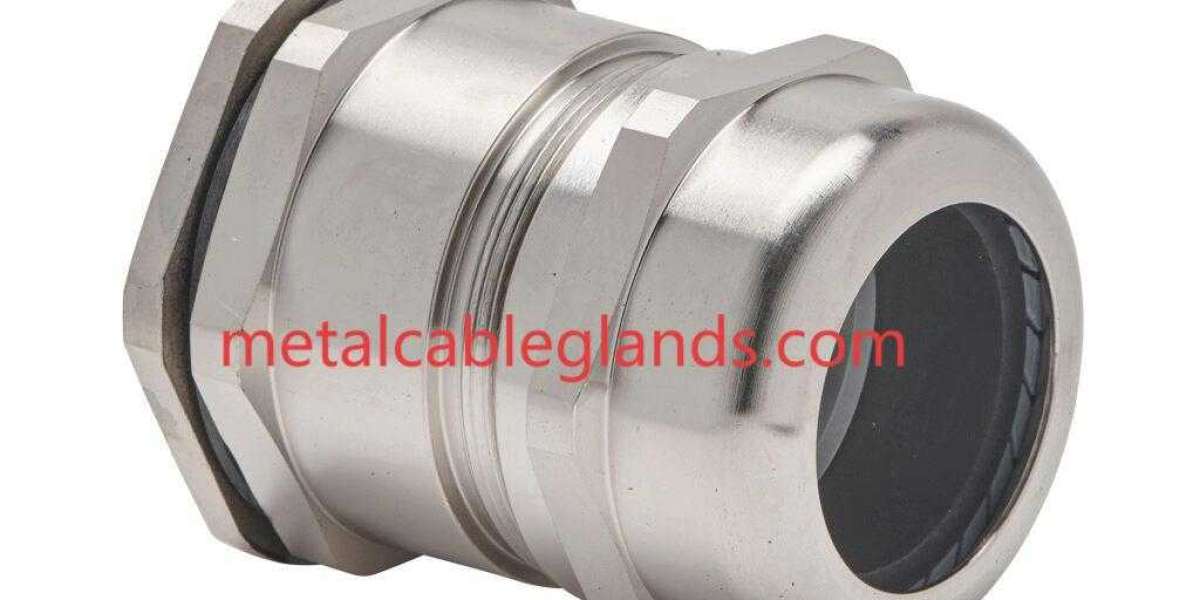

When flexible conduits are part of an electrical installation, the connection point can have a major influence on the overall cable management experience. Choosing a suitable Conduit Gland Factory can help manufacturers create cleaner and more organized conduit connections, while a professional Conduit Gland Factory can support consistent component selection for different enclosure and wiring requirements. A properly matched gland is not simply a joining accessory; it can become an important part of an efficient and well-planned cable routing system.
Making Flexible Conduit Installation Easier
Flexible conduits are valued for their ability to adapt to different equipment layouts and wiring directions. However, installation can become inconvenient when the conduit connection does not match the enclosure properly.
A suitable gland provides a defined connection point between the flexible conduit and the equipment housing. This helps installers create a neater transition and reduces the need for improvised fastening methods.
For manufacturers producing electrical cabinets, automation equipment, machinery, control boxes, and similar products, standardized connection components can also make assembly procedures easier to organize. When the right gland is selected from the beginning, installation teams can work with a more predictable and repeatable process.
Metalcableglands And Better Component Matching
Different applications can require different conduit sizes, enclosure configurations, and connection arrangements. This makes compatibility an important part of product selection.
Before ordering, manufacturers can review the conduit dimensions, mounting thread, enclosure opening, installation direction, and available working space. Considering these details early can help prevent fitting problems during assembly.
A well-matched gland should integrate naturally with the existing conduit system rather than requiring extensive modifications. This is particularly helpful for manufacturers handling repeated production orders, where consistent component compatibility can contribute to smoother assembly and quality control.
Supporting Cleaner Wiring Layouts
Good cable routing is not only about protecting wires; it also improves the overall organization of equipment. Cables that enter an enclosure through properly arranged conduit connections are easier to identify, route, and manage.
A dedicated gland can create a more structured entry point, helping manufacturers maintain cleaner internal layouts. This can be useful when several conduits enter the same cabinet or when different cable groups need to follow separate routing paths.
An organized layout may also make later inspection or wiring adjustments more convenient. Instead of having cables entering through irregular openings, each connection can be planned according to the equipment's overall wiring architecture.
Considering Production And Maintenance Needs
For equipment manufacturers, the selection of small components can influence more than the initial installation. Assembly time, component consistency, maintenance access, and replacement convenience can all become relevant as production volumes increase.
Using appropriately matched conduit glands can help establish repeatable installation practices. Workers can follow the same basic connection method across similar products, reducing unnecessary variation during assembly.
Maintenance should also be considered. Equipment that may require future wiring adjustments benefits from clearly arranged cable entry points. A well-planned conduit system can make it easier to identify where cables enter the enclosure and how different wiring groups are routed.
Finding The Right Conduit Connection Solution
The best conduit gland choice depends on the actual requirements of the application. Manufacturers should look beyond basic dimensions and consider the conduit type, enclosure structure, installation environment, connection method, and expected operating conditions.
For projects involving industrial machinery, electrical cabinets, automation systems, control equipment, or other products using flexible conduits, careful component selection can make the entire cable routing system more practical.
A reliable connection begins with good planning. By matching the gland to the conduit and enclosure from the start, manufacturers can create cleaner installations and simplify production processes. To explore flexible conduit connection and cable protection solutions, visit https://www.metalcableglands.com/ for more information and product options.