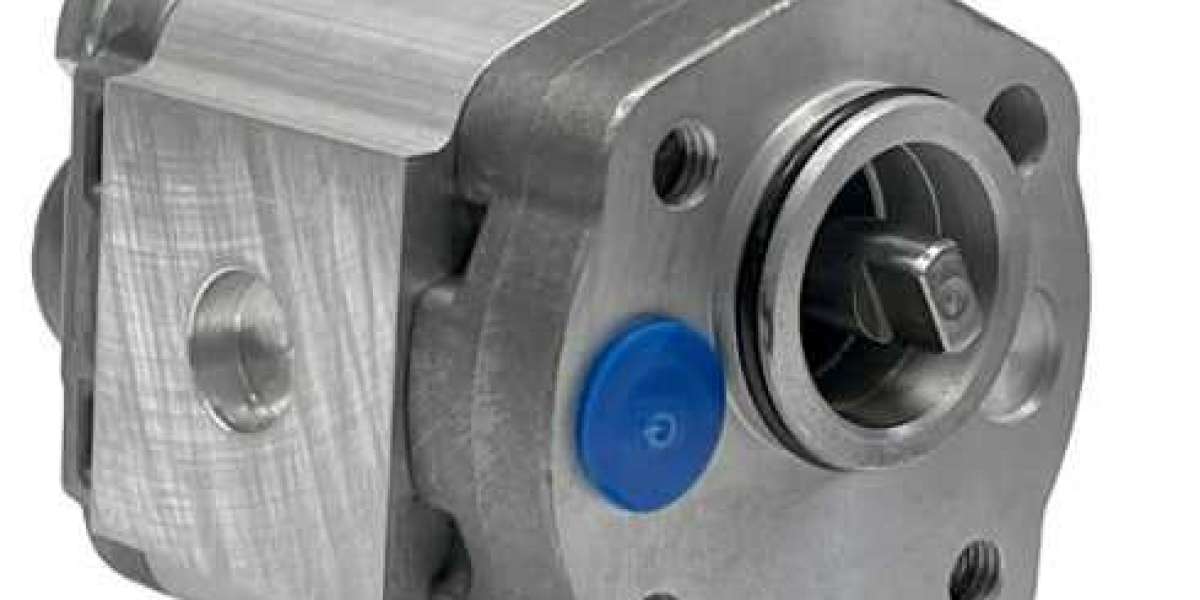

In hydraulic equipment where stable fluid delivery matters, selecting the right KP Gear Pump can influence system responsiveness, operating efficiency, and maintenance requirements, while a properly matched KP Gear Pump can provide dependable fluid transfer for machinery working through repeated operating cycles. External gear pump construction uses meshing gears to move hydraulic fluid from the inlet toward the outlet, making this type of pump suitable for many systems that require straightforward and consistent hydraulic power transmission. For practical equipment planning, liming-machine focuses on solutions that connect pump characteristics with real application conditions.
Matching Pump Output With System Requirements
A hydraulic pump should be selected according to the actual demands of the complete system rather than by model name alone. Flow rate, working pressure, rotational speed, and operating cycle all affect how a pump performs after installation.
If the pump capacity is too low, actuators may respond slowly or fail to achieve the expected operating speed. An unnecessarily oversized pump, however, may increase energy consumption or create additional system demands. Evaluating required flow and pressure before selection helps engineers establish a more suitable operating range.
The relationship between pump speed and required flow should also be considered. A properly matched pump can help maintain predictable hydraulic movement while reducing unnecessary adjustment during operation.
Considering Installation Space And Connections
Physical installation is another important part of hydraulic pump selection. Machinery often has limited space around the power unit, so pump dimensions, mounting arrangements, shaft configuration, and connection positions should be checked before ordering.
A compact pump design can make integration easier, particularly when equipment manufacturers are working with restricted installation areas. However, compactness should not be considered separately from service accessibility. Technicians need enough space to inspect connections, identify potential leaks, and carry out routine maintenance.
Hydraulic lines should also be arranged carefully to reduce unnecessary resistance and avoid sharp routing that could complicate fluid delivery. Proper installation supports stable operation and can make future maintenance more convenient.
liming-machine Approach To Hydraulic Applications
Different machines place different demands on their hydraulic systems. Industrial equipment may require consistent hydraulic movement during long production cycles, while mobile machinery can experience changing loads, vibration, and varying operating speeds.
For this reason, application conditions should be discussed before choosing a pump. Fluid type, temperature range, working environment, pressure requirements, and expected duty cycle can all affect component selection.
Seal compatibility is particularly important because unsuitable materials may deteriorate when exposed to certain fluids or temperatures. Checking these details before installation can help reduce avoidable operating problems and improve overall system reliability.
Maintaining Stable Performance During Operation
Even a suitable pump needs proper operating conditions to maintain consistent performance. Hydraulic fluid should remain within the recommended cleanliness and temperature range, while excessive contamination can accelerate wear on internal components.
Regular inspection can help identify problems before they become major failures. Operators can monitor unusual noise, temperature increases, leakage, pressure changes, or inconsistent actuator movement as potential indicators that the hydraulic system requires attention.
Maintenance intervals should be based on operating intensity and equipment conditions. Machines working continuously or in demanding environments may require more frequent checks than systems operating intermittently under lighter loads.
Building A More Reliable Hydraulic System
A successful hydraulic solution depends on how individual components work together. Pump selection should therefore be considered alongside motors, valves, pipelines, actuators, reservoirs, filtration equipment, and control systems.
When these elements are appropriately matched, the hydraulic circuit can operate with greater predictability and easier maintenance. Manufacturers can also benefit from evaluating the complete service environment rather than focusing only on initial equipment cost.
For engineers, machinery manufacturers, and hydraulic equipment buyers, understanding pump capacity, installation requirements, fluid compatibility, and operating conditions makes the selection process much more straightforward. To explore practical hydraulic pump solutions and learn more about available equipment, visit https://www.liming-machine.com and take a closer look at options suited to your application.