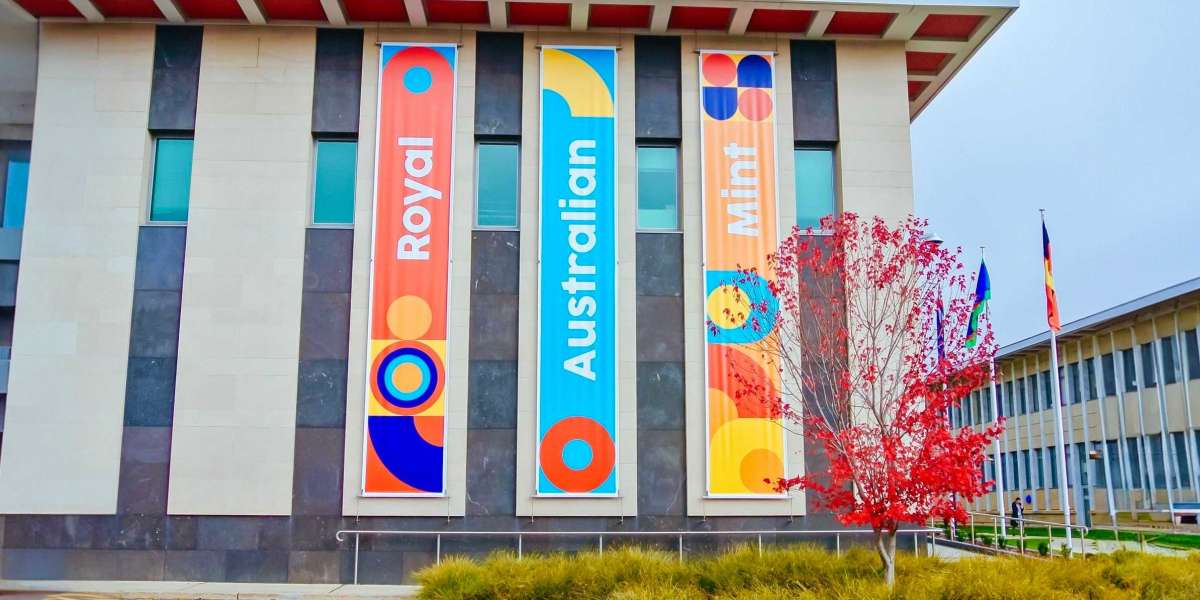

Businesses have many opportunities to communicate with customers beyond traditional signs and printed materials. Floors, walls, windows, doors, and other surfaces can become useful communication areas when the right graphics are selected for the environment. Decals and vinyl signs can provide information, directions, promotions, and design elements while making better use of available physical space.
For Houston businesses, choosing a printed graphic should involve more than selecting an attractive design. The location, surface, viewing distance, expected traffic, durability requirements, and purpose of the graphic all influence which solution is appropriate. When these factors are considered early, businesses can create physical communication that is both practical and professional.
Making Better Use of Floor Space
Floors are often overlooked as communication surfaces, but they can provide an effective way to guide customers through a business environment. Retail stores, offices, schools, healthcare facilities, event venues, and commercial properties can use floor graphics to direct movement or highlight specific areas.
Businesses considering floor decals printing houston should first evaluate the surface where the decal will be installed. The floor material, level of foot traffic, cleaning methods, and expected duration of the installation can all influence material selection.
Floor decals can be used for directional arrows, promotional messages, event information, safety reminders, location markers, or temporary campaigns. Because people may encounter these graphics while walking through a space, the message should remain simple and easy to understand.
Placement is also important. A floor graphic should support movement rather than create confusion. Businesses should think about where customers naturally look, how people move through the space, and whether the graphic needs to remain visible under different lighting conditions.
Using Vinyl Signs for Flexible Communication
Vinyl is a versatile material that can be used for a wide range of business signage applications. Depending on the design and intended environment, vinyl graphics can be applied to windows, walls, doors, vehicles, panels, and other suitable surfaces.
When planning vinyl signs printing houston, businesses should identify the surface and environment before selecting the appropriate material. Indoor applications may have different requirements from outdoor signs that are exposed to sunlight, moisture, temperature changes, and other environmental conditions.
Vinyl signs can communicate business names, operating information, promotional messages, directional instructions, service details, or temporary announcements. Their flexibility also makes them useful for businesses that need to update messaging periodically.
A successful vinyl sign should balance design and readability. Important information should be easy to identify, while supporting graphics should reinforce rather than compete with the main message.
Turning Walls Into Communication Areas
Walls provide substantial surface area that can be used for more than decoration. Businesses can use wall graphics to create informative environments, communicate company information, support campaigns, or guide visitors through a building.
Wall decals printing houston can be useful in offices, retail environments, restaurants, schools, healthcare facilities, event spaces, and other customer-facing locations. The design can be adapted to the dimensions of the available wall and the distance from which visitors are expected to view it.
For example, an office may use wall decals to display company values or provide directional information. A retail store could use graphics to highlight product categories or seasonal promotions. An event venue might use wall graphics to identify rooms or create a coordinated environment for attendees.
Before installation, businesses should evaluate the wall surface and surrounding area. Furniture, lighting, doors, windows, and other architectural features can affect how the finished graphic looks and how easily it can be viewed.
Matching Graphics With Customer Movement
The position of a graphic can be just as important as the design itself. Businesses should understand how customers move through a location before deciding where to place decals or signs.
A floor graphic may work best near a decision point where visitors need directions. A wall decal can provide information in a waiting area where people have more time to read. A vinyl sign near an entrance may communicate business information before visitors enter.
This approach makes physical graphics more purposeful. Instead of placing a design wherever there is available space, businesses can use customer movement patterns to determine where information will have the greatest practical value.
Keeping Designs Easy to Read
A large amount of text is not always necessary to communicate effectively. Decals and signs should generally focus on the information that matters most to the audience.
Typography should be selected according to viewing distance and the amount of time people are likely to spend looking at the graphic. Strong contrast can improve readability, while excessive decorative elements may make the message harder to understand.
Businesses should also consider how the design interacts with its surroundings. A graphic placed on a busy wall may need a simpler layout than one installed in an open space with fewer visual distractions.
Considering Durability and Maintenance
Different applications require different levels of durability. A floor graphic in a high-traffic environment may experience significantly more wear than a wall decal in a quiet office. Outdoor vinyl signage may also need to withstand environmental exposure.
Businesses should consider how often the surface will be cleaned, how much handling the graphic will receive, and how long it is expected to remain in place. Selecting materials based on these conditions can help the finished product remain suitable for its intended use.
Maintenance should also be considered during planning. Graphics installed in frequently cleaned areas may need to be selected and positioned with cleaning practices in mind.
Supporting Temporary and Long-Term Campaigns
Decals and vinyl graphics can support both short-term campaigns and longer-term communication. A retailer might install promotional floor graphics for a seasonal sale, while an office could use wall decals as part of a permanent interior design.
Temporary graphics can help businesses adapt their physical environments without making major permanent changes. This flexibility can be useful when promotions, events, layouts, or customer information change throughout the year.
For longer-term applications, businesses should focus more heavily on material durability, surface compatibility, and maintaining a consistent appearance over time.
Creating a Consistent Business Environment
Different graphic formats can work together to create a more organized customer experience. A business might use floor decals to guide visitors, vinyl signs to communicate important information, and wall decals to reinforce messages throughout the interior.
These elements do not need to look exactly the same, but shared design characteristics can help create consistency. Matching typography, colors, imagery, and messaging can make different physical graphics feel like part of one coordinated communication system.
Consistency can be particularly useful for businesses with larger facilities or multiple customer-facing areas where visitors encounter several types of information.
Final Thoughts
Decals and vinyl graphics give Houston businesses additional ways to communicate with customers and make better use of physical spaces. Floor graphics can guide movement, vinyl signs can provide flexible information across different surfaces, and wall decals can turn large areas into useful communication or design features.
The most effective projects begin with a clear understanding of the environment, audience, purpose, and expected lifespan of the graphic. By considering placement, readability, material selection, durability, and design consistency, businesses can create physical graphics that support practical communication while contributing to a more organized and professional customer experience.